Creating a relaxing home office environment is essential for maintaining productivity and well-being, especially as many people continue to work remotely. A calm and comfortable workspace not only boosts concentration but also reduces stress, helping you achieve a better work-life balance. In this post, we’ll share practical tips to help you design a home office that feels peaceful and keeps you motivated throughout the day.
Choose the Right Location
Selecting the best spot in your home for your office is the first step. Ideally, choose a quiet area with minimal distractions. If possible, pick a space with natural light, as daylight has been shown to improve mood and focus.
– Near a window: Provides fresh air and natural light.
– Away from high-traffic areas: Helps limit noise and interruptions.
– Dedicated space: Avoid using shared spaces like the dining table if you can, to keep work and home life separate.
Invest in Comfortable Furniture
Comfortable furniture is key to creating a relaxing environment. Sitting in an uncomfortable chair or working at a poorly set-up desk can lead to physical discomfort and frustration.
– Ergonomic chair: Supports your back and encourages good posture.
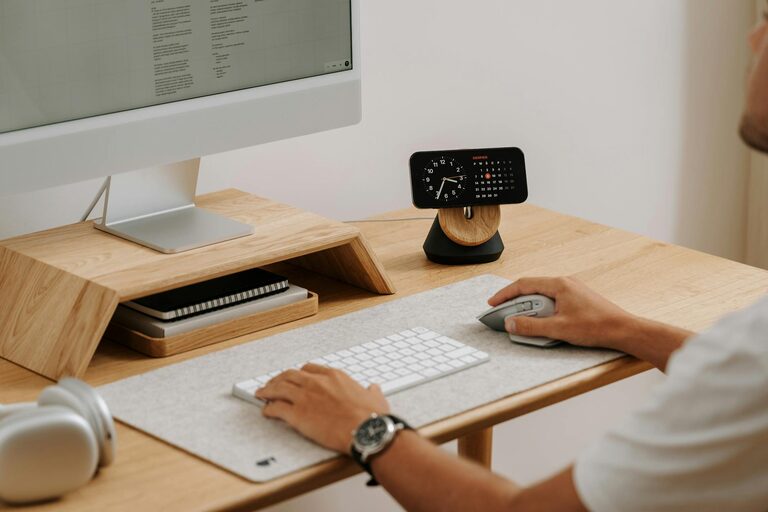
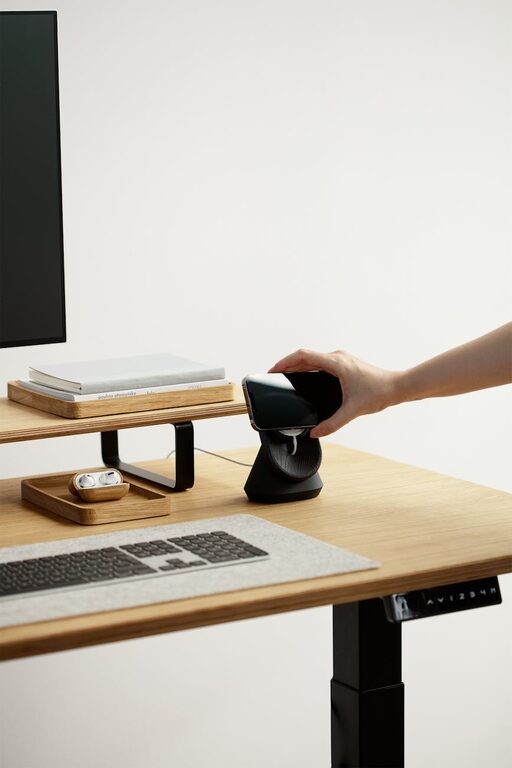
– Adjustable desk: Consider a desk that allows you to switch between sitting and standing.
– Proper desk height: Keeps your wrists and arms in a neutral, relaxed position when typing.
Declutter and Organize
A cluttered workspace can be distracting and stressful. Keeping your desk and surroundings tidy helps your mind stay clear and focused.
– Use storage solutions: Shelves, drawers, and organizers can keep papers and supplies out of sight.
– Keep only essentials on your desk: A clean surface helps you concentrate.
– Digital declutter: Organize your computer files and minimize desktop icons.
Incorporate Soothing Colors
Colors have a psychological impact on mood. Choosing calming tones can help create a relaxing atmosphere in your office.
– Soft blues or greens: Known to promote calm and focus.
– Neutral shades: Light grays, creams, and soft browns offer a clean, serene backdrop.
– Personal touches: Add a splash of your favorite calming color through accessories like cushions or wall art.
Control Lighting
Lighting plays a major role in comfort and alertness. Harsh lighting strains the eyes, while dim lighting can reduce productivity.
– Natural light: Use curtains or blinds to control glare without blocking daylight.
– Task lighting: A quality desk lamp helps reduce eye strain during focused work.
– Avoid overhead fluorescent lights: These can be harsh and fatiguing over time.
Add Greenery
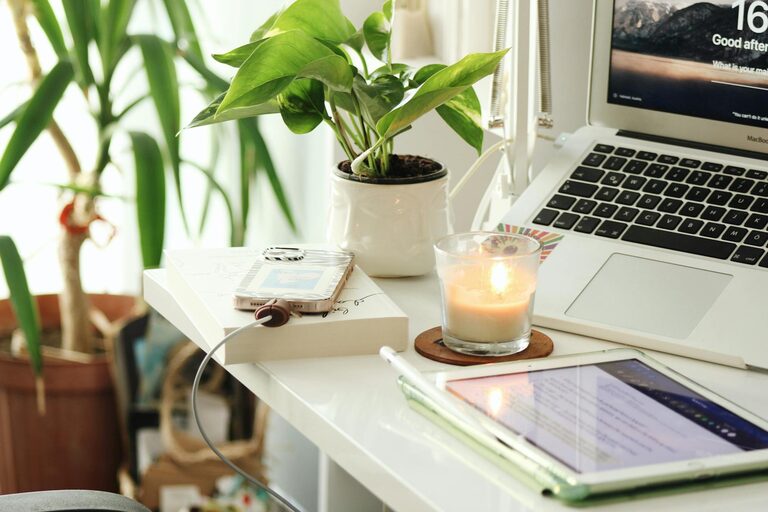
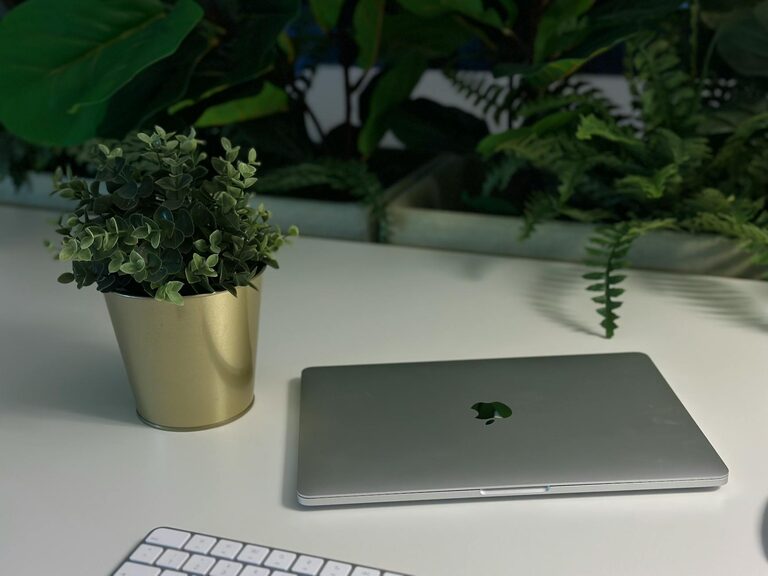
Plants increase oxygen and add life to your space, making it feel more inviting and less sterile.
– Easy-care plants: Succulents, snake plants, or pothos thrive indoors with minimal attention.
– Placement: Position plants where they can be easily seen but won’t interfere with your workspace.
– Benefits: Studies show plants can boost mood and reduce stress levels.
Minimize Noise Distractions
Noise can be a major disturbance when working from home, especially if you share space with others.
– Noise-cancelling headphones: Useful for blocking out background sounds.
– White noise machines or apps: Can create gentle ambient sound to mask distractions.
– Soft furnishings: Rugs, curtains, and cushions help absorb sound.
Establish a Routine and Boundaries
A relaxing office doesn’t just depend on the physical space—it requires mental boundaries too.
– Set working hours: Start and end your workday at consistent times.
– Take regular breaks: Step away from your desk to stretch or relax your eyes.
– Physical separation: When possible, close the door or create a visible boundary to signal work time.
Personalize Without Overcrowding
Adding personal touches can make your workspace feel welcoming and less clinical. At the same time, avoid clutter that disrupts focus.
– Photos or artwork: Choose images that inspire or calm you.
– Decor items: Use candles, a favorite mug, or a pleasant-smelling essential oil diffuser.
– Avoid overdecorating: Too many items can become distractions.
Maintain Air Quality
Good air quality contributes to comfort and alertness.
– Ventilation: Open windows when possible to let in fresh air.
– Air purifiers: Consider using one if your workspace gets stuffy or dusty.
– Avoid chemicals: Limit air fresheners or cleaning products with strong scents during work hours.
—
Creating a relaxing home office environment is a blend of good design, organization, and habits. With the right setup, you can enjoy a peaceful workspace that helps you stay productive and feel comfortable every day. Take time to personalize your office and adjust it when necessary—it’s all about finding what works best for you.