
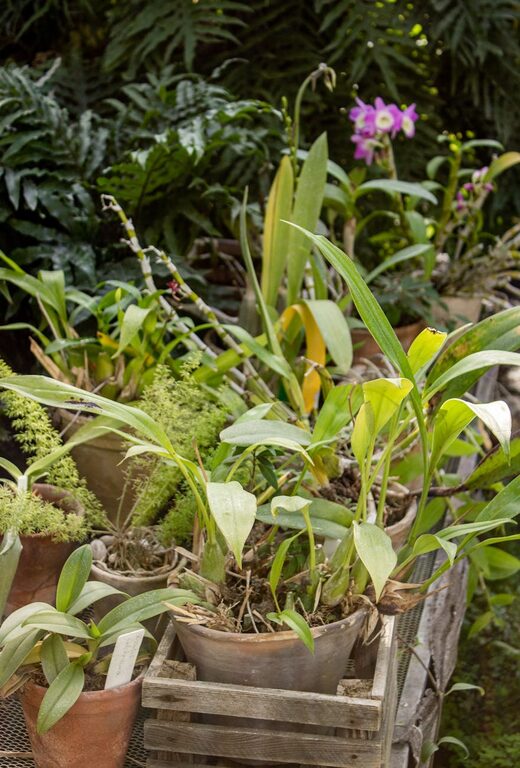
Creating a sustainable home garden that thrives throughout the year is both rewarding and environmentally friendly. Not only does it provide fresh produce and beautiful plants, but it also helps reduce waste and conserve resources. Whether you have a spacious backyard or a small balcony, with thoughtful planning and care, you can enjoy a green oasis in every season. Here are some practical tips to help you create a sustainable home garden all year round.
Plan Your Garden with Sustainability in Mind
Before you start digging, it’s essential to plan your garden carefully. Consider the following:
– Assess Your Space and Climate: Understand the size of your garden and the climate conditions where you live. Knowing your USDA hardiness zone or local climate type will help you choose plants that are suited to your environment.
– Choose Native and Drought-Tolerant Plants: Native plants usually require less water and are better adapted to local pests and diseases. Drought-tolerant varieties further reduce water use.
– Design for Year-Round Interest: Plan for plants that bloom in different seasons or provide evergreen foliage. This approach ensures your garden looks vibrant all year.
Use Sustainable Gardening Practices
Adopting eco-friendly gardening methods supports the health of your garden and the planet.
Composting
Composting kitchen scraps and garden waste creates nutrient-rich soil that reduces the need for chemical fertilizers.
– Collect food scraps like vegetable peels, coffee grounds, and eggshells.
– Avoid meat, dairy, and oily foods as they attract pests.
– Turn the compost pile regularly to speed up decomposition.
Water Conservation
Water wisely to avoid waste and keep plants healthy.
– Use rain barrels to collect rainwater for irrigation.
– Water early in the morning or late in the evening to minimize evaporation.
– Employ drip irrigation or soaker hoses to deliver water directly to plant roots.
Mulching
Mulch helps retain soil moisture, suppress weeds, and improve soil quality.
– Apply organic mulches such as straw, leaves, or wood chips around your plants.
– Maintain a mulch layer about 2-3 inches thick but keep it away from plant stems to prevent rot.
Extend the Growing Season
Growing fresh greens and vegetables year-round is possible with the right techniques.
Season Extenders
– Cold Frames: Simple structures with a transparent top can protect plants from frost.
– Row Covers: Lightweight fabric covers shield plants from cold or pests while allowing light and water in.
– Greenhouses: For larger spaces, greenhouses create a controlled environment that supports year-round growth.
Succession Planting
Instead of planting all at once, stagger your plantings every few weeks to harvest continuously.
Choose Varieties for Different Seasons
Select crops suited for each time of year.
– Spring and fall: Lettuce, spinach, radishes, and peas.
– Summer: Tomatoes, peppers, beans, and cucumbers.
– Winter (in mild climates or with protection): Kale, carrots, and certain herbs.
Encourage Biodiversity
A diverse garden promotes natural pest control and supports beneficial wildlife.
– Plant a variety of flowers to attract pollinators such as bees and butterflies.
– Include herbs and companion plants that repel pests naturally.
– Provide habitats like birdhouses or insect hotels to encourage helpful creatures.
Practice Organic Pest and Weed Control
Sustainability means avoiding harmful chemicals.
– Remove weeds by hand or with tools, avoiding herbicides.
– Use natural pest deterrents such as neem oil, insecticidal soap, or homemade garlic spray.
– Introduce beneficial insects like ladybugs and lacewings to control pests naturally.
Maintain Healthy Soil
Soil health is the foundation of a thriving garden.
– Rotate crops each season to prevent disease and nutrient depletion.
– Regularly add compost and organic matter to enrich the soil.
– Test soil periodically to adjust pH and nutrient levels as needed.
Incorporate Edible Plants and Perennials
Grow plants that provide food year after year to reduce replanting.
– Include perennial vegetables like asparagus and rhubarb.
– Plant fruit trees and berry bushes that produce for many seasons.
– Herbs such as rosemary, thyme, and mint often come back year after year.
Tips for Small Space Gardens
If space is limited, don’t be discouraged. Container gardening and vertical planting are great options.
– Use pots, window boxes, and raised beds.
– Vertical planters and trellises help maximize space.
– Choose compact or dwarf varieties suitable for containers.
Final Thoughts
Creating a sustainable home garden all year round takes planning and effort, but the benefits are highly rewarding. You’ll enjoy fresh food, beautiful greenery, and a positive impact on the environment. Start small, stay consistent, and watch your garden flourish through every season.
Happy gardening!