Creating a home office that is both cozy and functional can transform your daily work routine. Whether you’re working remotely full-time, freelancing, or just need a dedicated space for managing tasks at home, designing an office that meets your needs is essential. In this post, we’ll explore practical tips to help you set up a welcoming, organized, and productive workspace.
1. Choose the Right Location
Selecting the best spot for your home office is the foundation of creating a functional space. Look for an area with:
– Natural light: Bright spaces feel more inviting and can improve your mood and focus.
– Minimal distractions: Find a quiet corner or room where noise and interruptions are limited.
– Adequate space: Ensure there is enough room for your desk, chair, and storage solutions.
If space is tight, consider multifunctional areas, such as a guest bedroom or an unused nook. Portable desks or foldable furniture can also save space.
2. Invest in Comfortable and Supportive Furniture
Comfort is key when you spend long hours at your desk. Choose:
– An ergonomic chair: Support your back and encourage good posture to avoid discomfort.
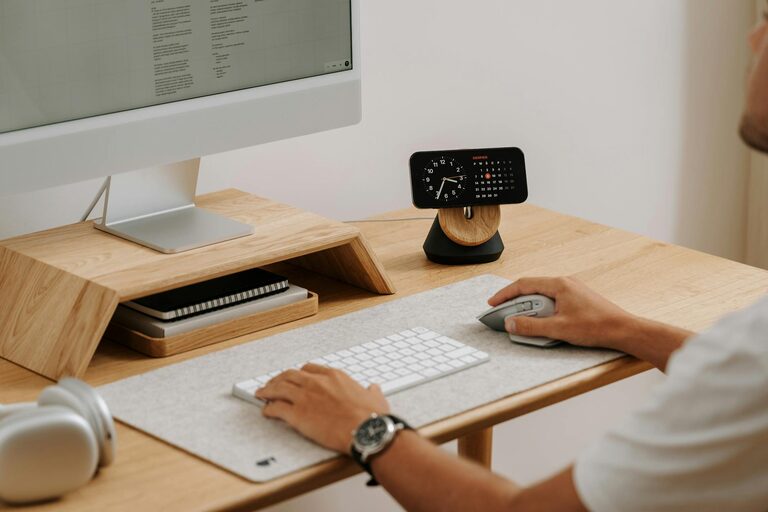
– A sturdy desk: Pick one at a comfortable height that accommodates your work tools without clutter.
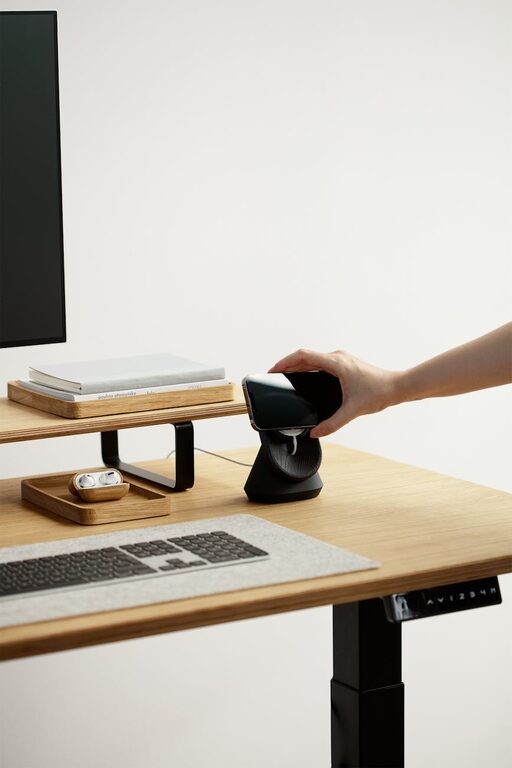
– Adjustable options: Standing desks or chairs with adjustable height can add variety and reduce strain.
Remember to keep your monitor or laptop at eye level to minimize neck strain.
3. Optimize Lighting
Proper lighting can reduce eye strain and boost productivity.
– Use a combination of natural and artificial light: Position your desk near a window for daylight and supplement with task lighting like a desk lamp.
– Choose warm, soft lighting: This creates a cozy atmosphere, while bright white lighting is better for detail-oriented tasks.
– Avoid glare: Position screens away from direct light sources to prevent reflections.
4. Organize Efficient Storage Solutions
A clutter-free space helps maintain focus and efficiency.
– Use shelves and cabinets: Keep books, files, and supplies neatly stored.
– Incorporate drawer organizers: Small compartments help keep pens, chargers, and stationery in place.
– Label storage containers: It saves time when searching for items.
Regularly declutter your desk to maintain a clean environment.
5. Personalize Your Workspace
Adding personal touches makes your office feel inviting and uniquely yours.
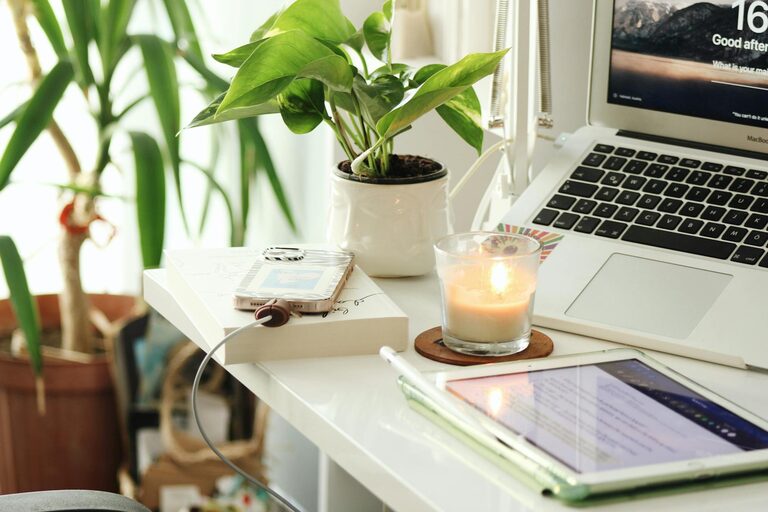
– Decorate with plants: Greenery can brighten the space and improve air quality.
– Add artwork or photos: Choose pieces that inspire or comfort you.
– Pick a calming color scheme: Soft blues, greens, or neutral tones create a relaxing atmosphere.
Avoid overcrowding the space with too many decorations to keep it functional.
6. Manage Cables and Tech Accessories
Messy cables can distract and clutter your workspace.
– Use cable organizers: Clips, sleeves, or trays keep wires tidy.
– Invest in a charging station: This centralizes cords for your devices.
– Maintain regular tech upkeep: Clean and update your equipment to avoid interruptions.
7. Incorporate Break Areas and Comfort Elements
Including small comforts can help balance work and relaxation.
– Add a soft rug or cushions: These elements increase warmth and coziness.
– Have a nearby space for breaks: A comfortable chair or corner for stretching can reduce fatigue.
– Keep water and healthy snacks accessible: Staying hydrated and nourished helps maintain energy.
8. Set Boundaries and Create a Routine
To make the most of your home office:
– Define work hours: Separate work time from personal time.
– Use a door or signage: Indicate when you’re busy to avoid interruptions.
– Keep your workspace dedicated: Avoid mixing personal activities in your office zone.
Conclusion
Designing a cozy and functional home office is about balancing comfort with productivity. By carefully selecting your location, investing in ergonomic furniture, keeping your space organized, and personalizing your environment, you can create a workspace that supports your best work. Remember that a well-planned office not only improves focus but also contributes to your overall well-being throughout the day.
Creating the perfect home office doesn’t have to be overwhelming—start small and adapt your space to fit your daily needs. Happy decorating!